
The Warplane Built to Kill Everything in Its Path

The United States military has created some of the most impressive weapons in the history of warfare.
One such creation was the F-111 Aardvark warplane, constructed with the sole aim of destroying everything in its path.
A Game Changer
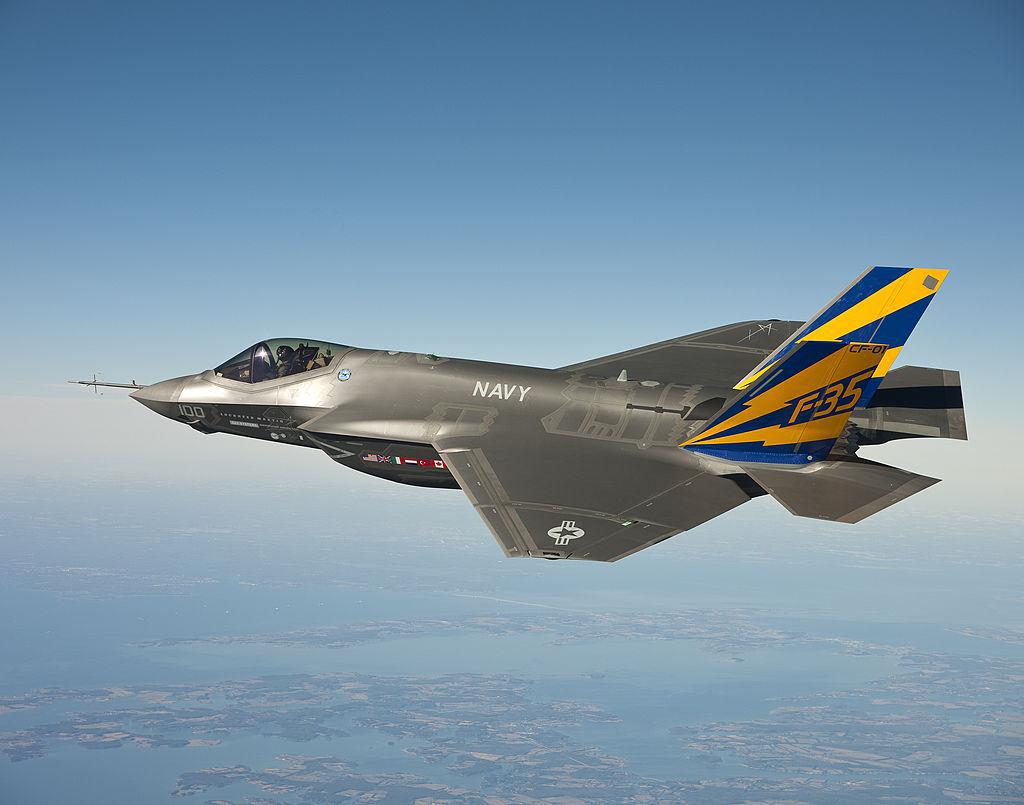
The F-111 was the first American craft to incorporate specific design features, which made it multi-role capable.
Nicknamed the Aardvark for its low-level terrain abilities and long nose, the F-111 was considered the F-35 of its day.
The US Needed a New Fighter Bomber
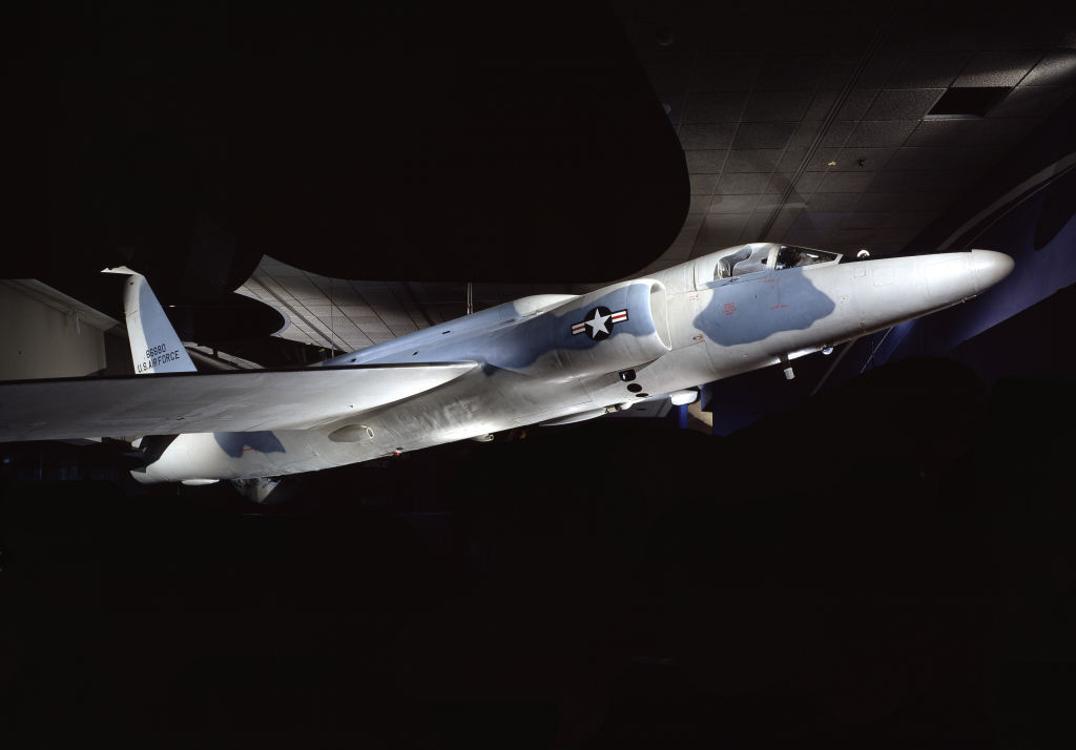
During the 1960s, the United States Air Force’s need for a new fighter bomber converged with the Navy's need for an air-superiority fighter.
After an American CIA U-2 reconnaissance plane was shot down over the Soviet Union, the U.S. military decided they needed a fighter bomber with deep strike abilities.
First Draft
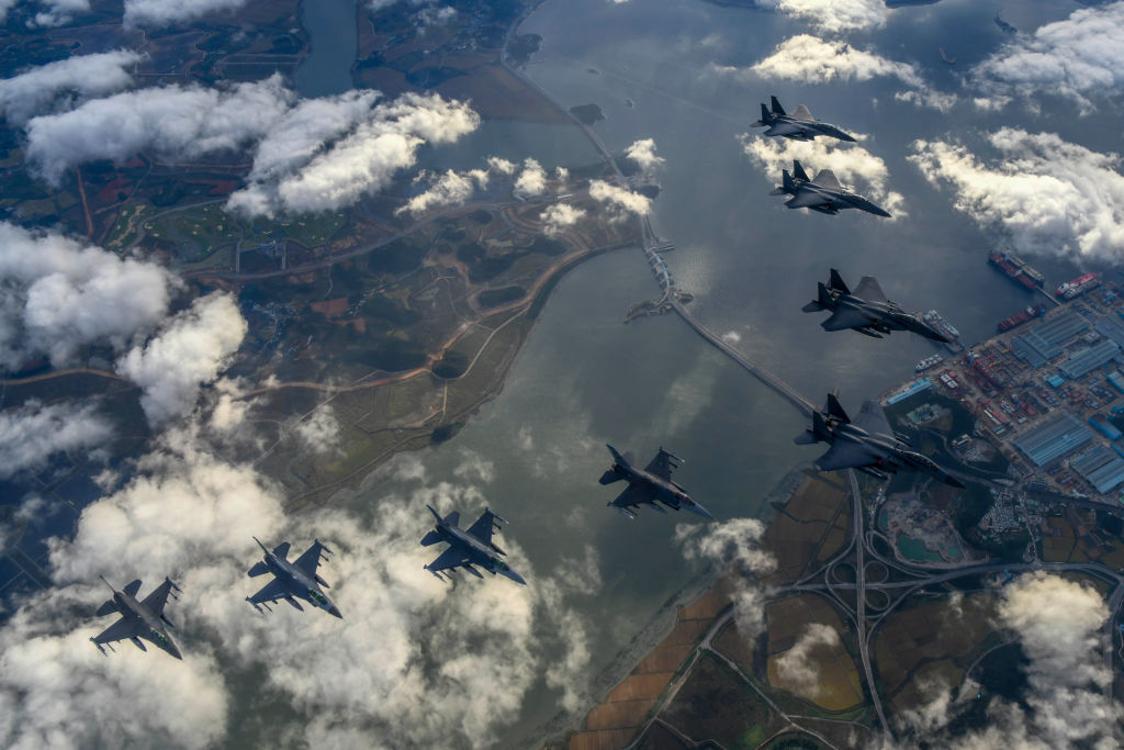
Initially, two designs were created, one for the Navy and the other for the Air Force.
The Navy program was later scrapped. However, the Air Force design went ahead, and soon the F-111 Aardvark was born.
General Construction Builds the Craft
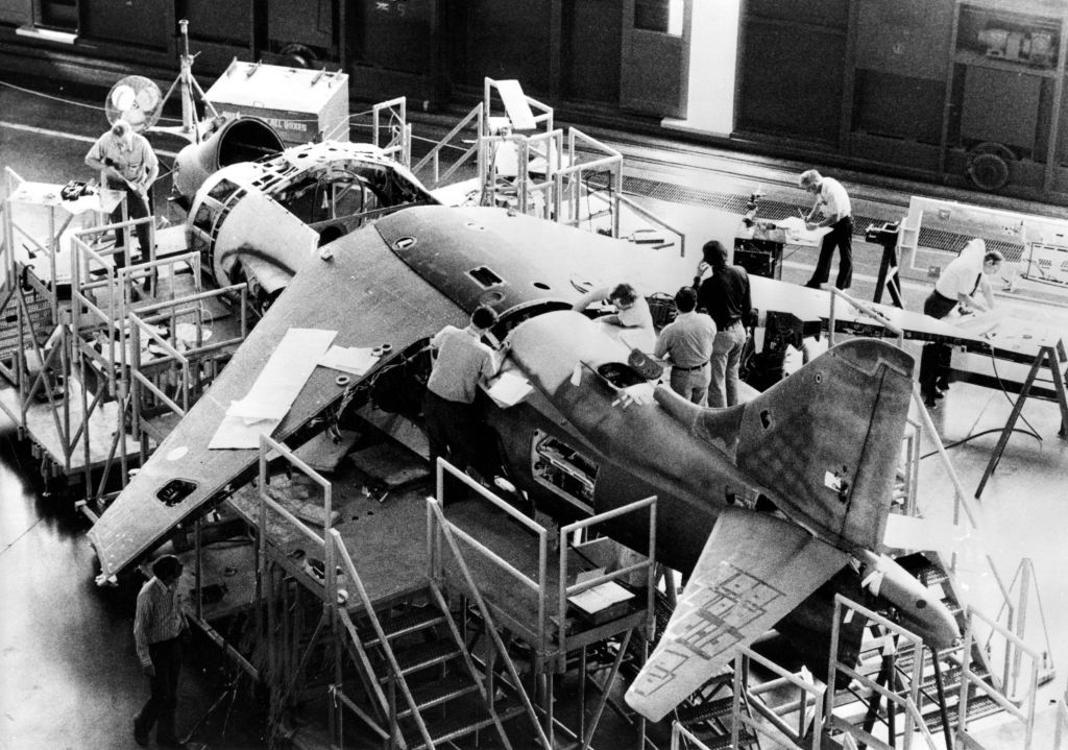
During the early 60’s, manufacturing giant General Dynamics was chosen to begin constructing F-111.
One of their biggest challenges was to create the airframe with a variable-sweep wing configuration that could be changed during flight to alter the shape of the craft.
The First of Its Kind
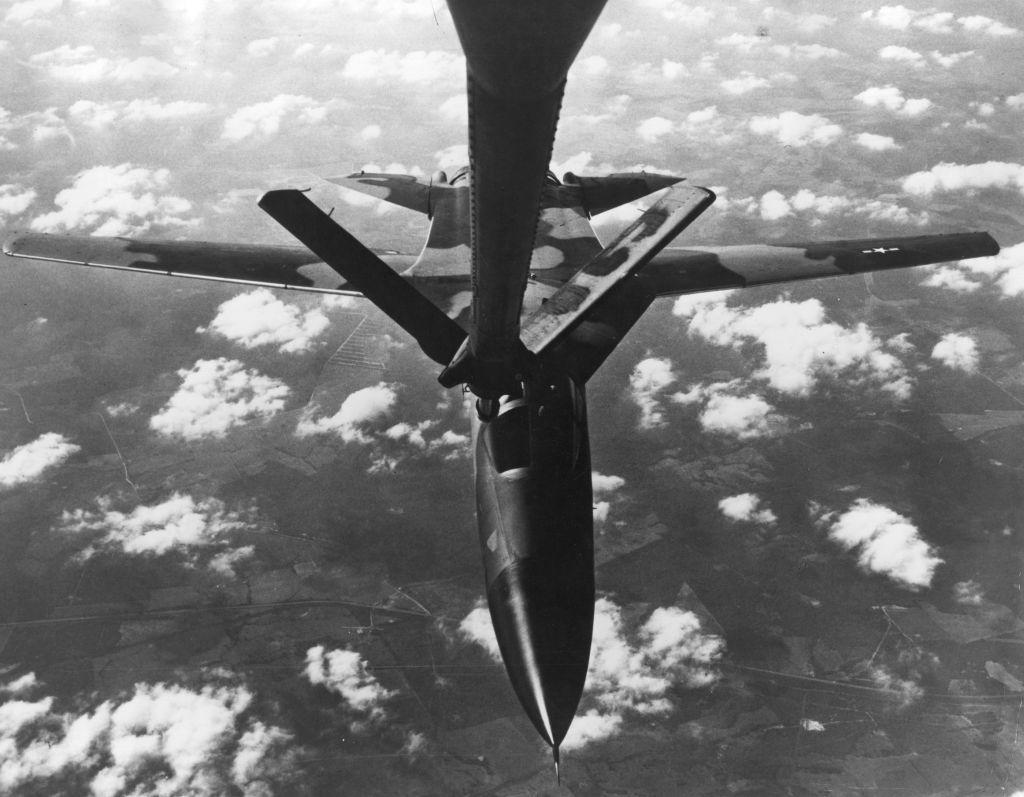
Essentially, General Dynamics was tasked with creating a craft that could maneuver at low or supersonic speeds, depending on the nature of the mission.
The F-111 featured advanced avionics, which allowed the craft to conduct all-weather or nighttime flights close to the ground.
Specs And Capabilities
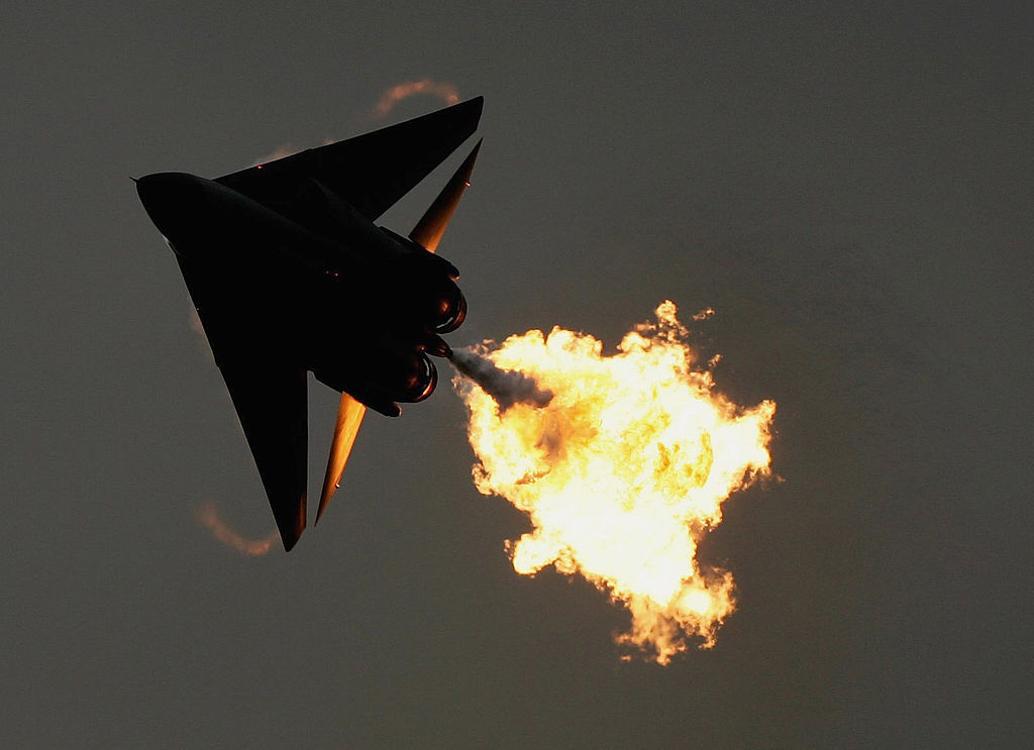
With regards to weapons, the F-111 was heavily armed with air-to-surface ordnance for long-range attacks.
On top of this, the F-111 was equipped with the best internal weapons of the time. This came in the form of an M61 Vulcan 20mm cannon.
Nuclear Weapons on Board
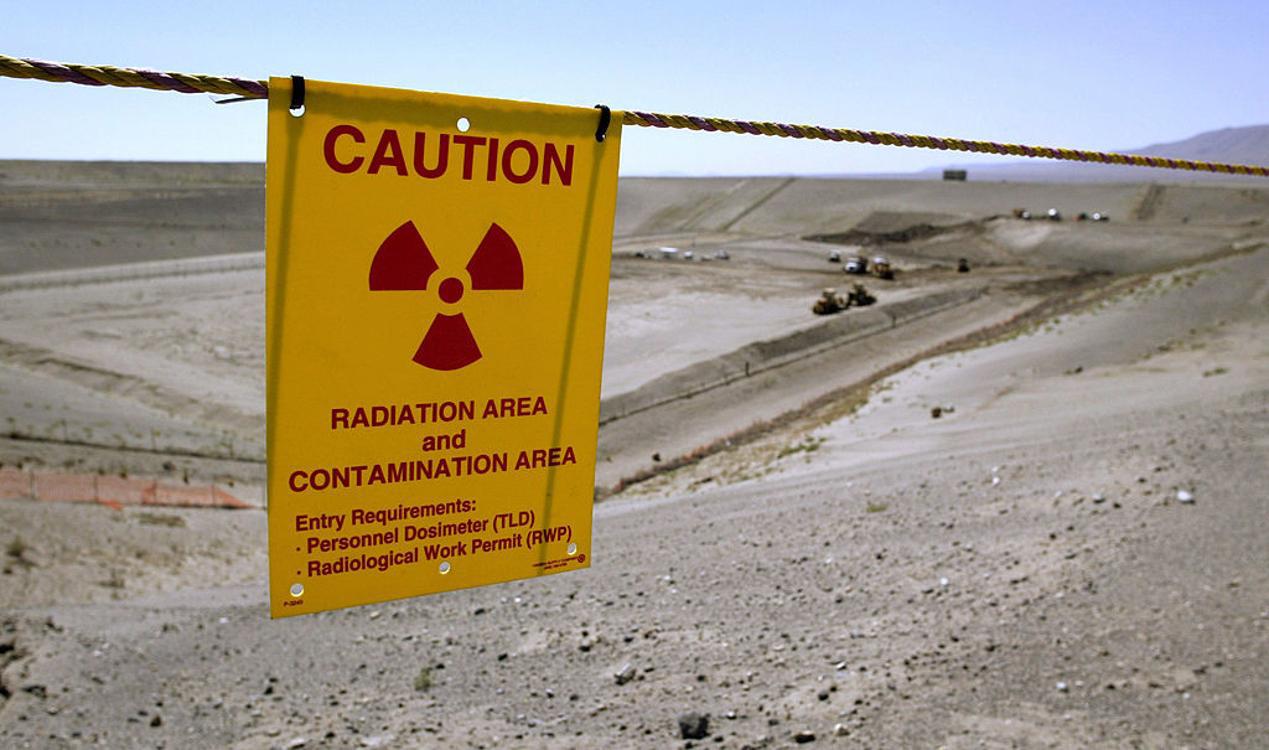
The F-111 couldn’t carry any external weapons due to its fuselage design. However, it could carry weapons of mass destruction.
According to reports, the Air Force bomber could carry nuclear weapons, including the B43, B57, and B61 bombs.
The Older Brother
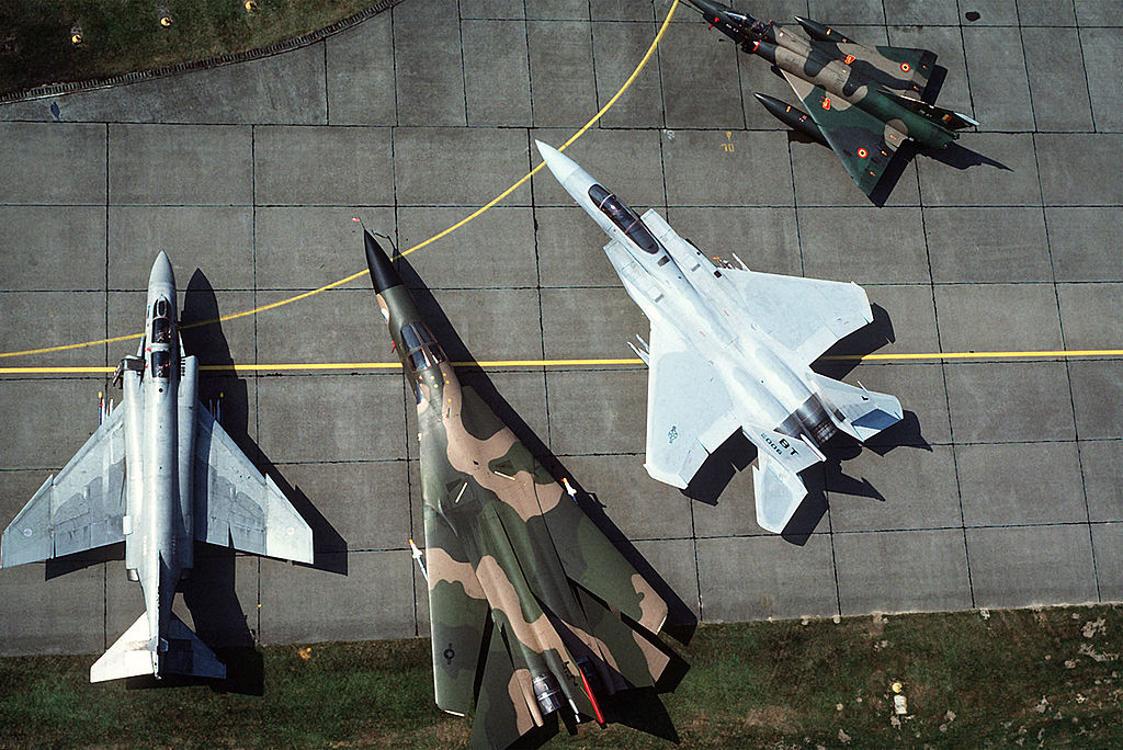
A later variant of the F-111, known as the F-111C, could launch AGM-142 Popeye stand-off missiles.
On top of this, it was fitted with an AGM-84 Harpoon anti-ship missile and anti-radiation missiles.
Shaky Combat Deployment
The F-11 appeared to be in solid shape right up to the peak of the Vietnam War.
However, it was soon discovered that the craft's airframe was weak. This led to the loss of three F-111s shortly after they entered the war.
Solving The Problem
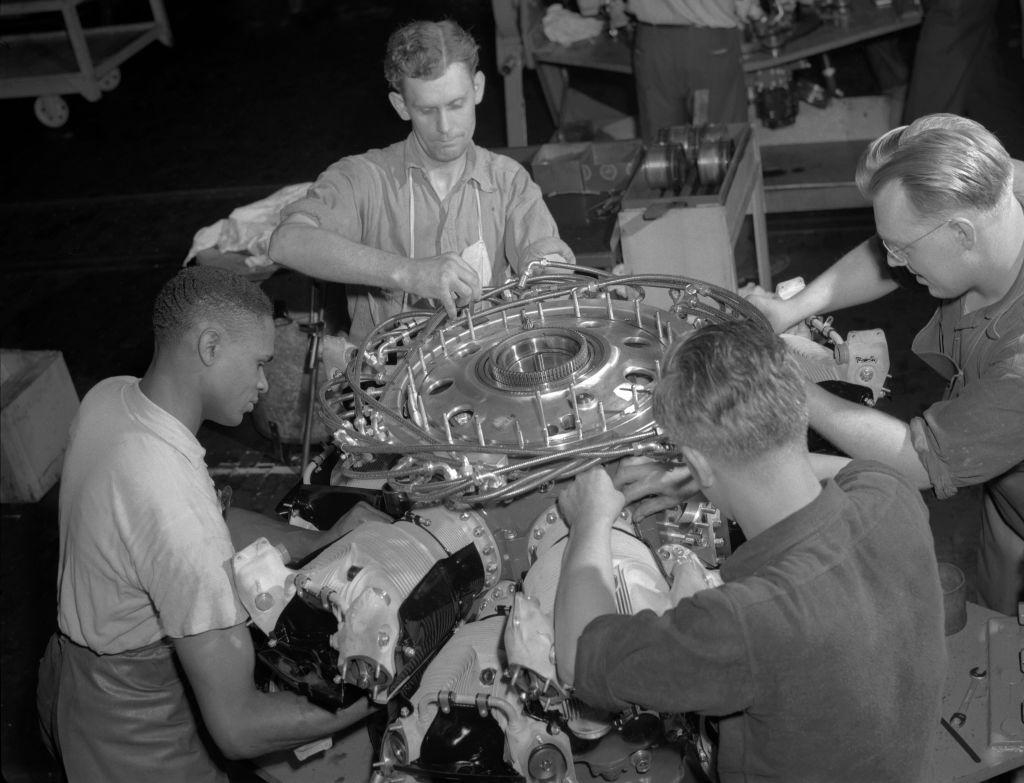
Engineers quickly began looking into what could be behind the problems surrounding the F-111.
What they realized was that a faulty hydraulic control valve rod was the reason behind the problem. Upon inspection, the engineers realized that 42 airframes had the same issue.
Re-Entering Service
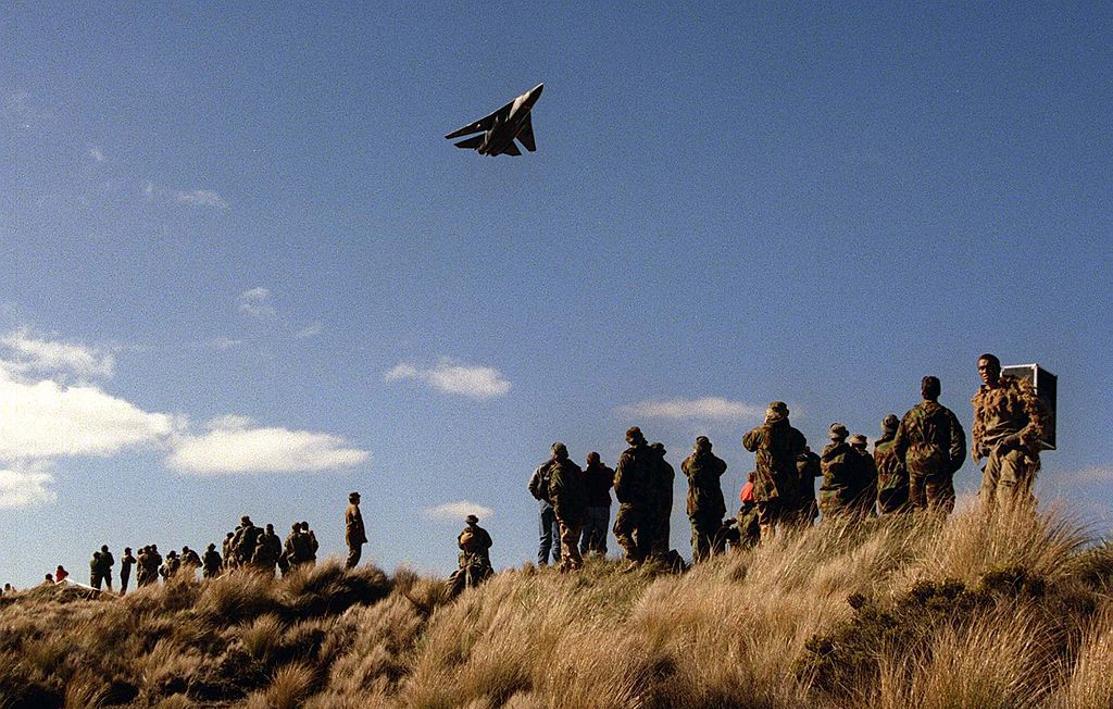
When the F-111 Aardvarks re-entered service a few years later, they made an impressive comeback.
They played a pivotal role during the Operation El Dorado Canyon airstrikes in Syria.